You can’t see them. You can’t taste them. But they’re inside you.
Microplastics have been found in human blood, brain tissue, hearts, lungs, and reproductive organs. And according to recent research, the concentrations are rising fast.
Here’s what you need to know and what you can actually do about it.
What Are Microplastics?
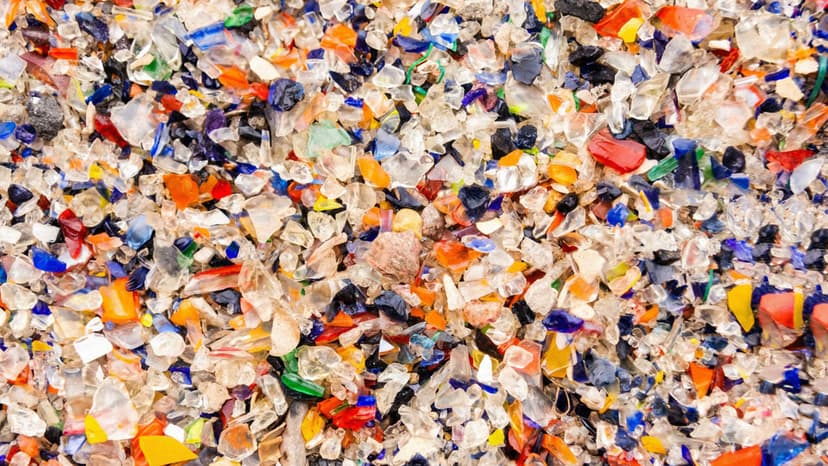
Microplastics are tiny plastic particles less than 5mm in size. They come from the breakdown of larger plastic items, synthetic clothing fibers, food packaging, and countless everyday products.
Once released into the environment, they don’t disappear. They accumulate — in our water, food, air, and eventually, our bodies.
The Data Is Alarming
Recent studies paint a troubling picture of how microplastics are infiltrating human tissue.
They’re in your blood. A 2022 study found microplastics in 77% of blood samples tested. This confirms these particles can enter systemic circulation and travel throughout your body.
They’re in your brain. Postmortem analyses revealed brain tissue contains 7 to 30 times more microplastics than liver or kidney tissue. Concentrations reached approximately 0.5% of brain weight by mass.
The levels are increasing. Comparing tissue samples from 2016 to 2024, researchers found brain microplastic concentrations jumped 57% in just 8 years — from 3,057 μg/g to 4,806 μg/g.
They’re linked to cardiovascular risk. A landmark 2024 study published in the New England Journal of Medicine found microplastics in 58% of arterial plaques. Patients with plastics in their plaques had a 4.5 times higher risk of heart attack, stroke, or death.
Where Are They Coming From?
You’re exposed to microplastics through three main routes: ingestion, inhalation, and skin contact.
The biggest sources include:
Bottled water. Studies show bottled water contains higher and more variable microplastic concentrations than tap water — largely due to contamination from bottles, caps, and packaging.
Heated plastic containers. Microwaving food in plastic or pouring hot liquids into plastic accelerates particle release.
Synthetic clothing. Washing a single synthetic garment can release thousands of microfibers into water systems — and your home.
Indoor dust. Carpets, furniture, and textiles shed plastic fibers that accumulate in household dust. Indoor air often contains more microplastics than outdoor air.
Food packaging. Plastic wrap, containers, and cutting boards can transfer particles to your food, especially with heat, acidic, or fatty foods.
Estimates suggest Americans consume between 74,000 to 113,000 microplastic particles annually when factoring in both food and bottled water.
Why This Matters For Your Health
Microplastics aren’t just inert passengers in your body. Research shows they trigger biological responses linked to chronic disease and accelerated aging.
Oxidative stress. Microplastics generate reactive oxygen species (ROS), leading to cellular damage, DNA strand breaks, and mitochondrial dysfunction.
Chronic inflammation. Exposure activates pro-inflammatory pathways and increases markers like IL-6 and TNF-α — the same inflammatory signals associated with metabolic disease.
Cellular aging. Studies show microplastics induce cellular senescence, a hallmark of biological aging characterized by cells that stop functioning properly but don’t die.
Gut barrier dysfunction. Microplastics disrupt tight junction proteins in your intestinal lining, potentially contributing to “leaky gut” and systemic immune activation.
Hormonal disruption. Plastic particles carry additives like phthalates and bisphenol A, known endocrine disruptors that interfere with hormone signaling.
These mechanisms overlap with the core drivers of metabolic dysfunction, cardiovascular disease, and premature aging.
5 Ways To Reduce Your Exposure
Complete avoidance isn’t realistic. But strategic reduction is entirely within your control.
1. Choose filtered tap water over bottled. Use a reverse osmosis or fine-pore filter and store water in glass or stainless steel containers. This reduces both microplastic intake and environmental waste.
2. Never heat food in plastic. Avoid microwaving in plastic containers or pouring hot liquids into plastic bottles. Switch to glass, ceramic, or stainless steel for heating and storage.
3. Improve indoor air quality. Use a vacuum with a HEPA filter and damp-dust instead of dry dusting. Consider a HEPA air purifier for bedrooms and main living areas.
4. Choose natural fiber clothing and textiles. When replacing clothes, carpets, or furniture, opt for cotton, linen, wool, or hemp over polyester and nylon. Wash synthetic garments in full loads at lower temperatures.
5. Minimize single-use plastics for food. Especially avoid plastic contact with hot, acidic, or fatty foods. Replace scratched plastic kitchenware with more inert options like stainless steel or wood.
The Bottom Line
Microplastics are now a permanent part of our environment — and our bodies. The science is still evolving, but the direction is clear: exposure is rising, and the health implications are concerning.
You can’t eliminate microplastics from your life. But you can reduce your biggest exposures through simple, strategic changes.
Your health is your foundation asset. Protect it accordingly.